To get the larger version of the video, click on the top left image or the link at the left.
Len loves e-readers and buys them to try them out, not waiting for review copies. In this case, he also bought 4 copies of the "Wolf Hall" book because the alleged 'standard' of ePub between books with digital-rights-management added to the book files is not quite standard yet. Nooks can read Sony books sometimes but not vice versa, Adobe holds the DRM reins, and the book vendors tend to add something a bit different to theirs. Despite talking to customer support at a couple of e-book stores, there was no support given to Len for using other vendors' files on the e-readers.
The 4 e-readers reviewed for effectiveness of functions are the Sony Pocket Reader, the Kobo Reader, the Barnes & Noble Nook, and the Amazon Kindle 2. The Sony PRS-600 has known glare and contrast issues due to an additional layer for a touch screen, and Len did not keep his, so it's not included. Also, it doesn't have wireless at all, for the higher price. The Sony Pocket Reader and the Kobo are on a more equal level as they both have no wireless to speak of and no basic study features such as inline-dictionary, searches for a character, highlighting or notes. The Sony Pocket reader has long been popular for its "pocket"ability and easy-to-read contrast-ratio, but the Kobo has a slightly larger screen.
Seldom do online gadget reviews go into how the advertised features actually function and even tend to not mention basic ones like the dictionary, search, and annotations many like to use with an e-reader. The few I have seen that do discuss functioning include the recent Laptop Magazine report on the Kindle DX Graphite and one on Sony readers by Willson Rothman of Gizmodo.
A favorite for its description of how Kindle features work, in general, is by boygeniusreport.com, done for the Kindle 2, which Len uses for the video comparison. And there's one by Jacqui Cheng at Ars Technica actually describing how the new software update's features work.
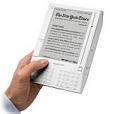
That's especially what I like about the video. Len lists features important to him and shows HOW each is implemented on the two e-book readers that have screens unimpeded by an extra layer of glass and which happen to be the two leading e-readers in sales today -- the Nook and the Kindle 2.
There'll be a new Nook soon (Nook 2 and the new Kindle 3 (and UK Kindle 3) in late August. We know what the Kindle 3 will have but have no idea what the new Nook 2 features will be. In this video, you'll see how each handles (1) dictionary look-ups, (2) searches for a character's name or mentions in a book, and (3) highlighting and note-taking as well as how to find a highlight or note you made.
These are key differences and most reviewers have not gone into the functioning of these features vs other e-book readers at all. So Len has done quite a service here. It's 28.5 minutes long, so set aside some time to watch it if you're curious about the differences between these models.
The one thing I'd like in the future is Len using a tripod behind him and showing the full model or full screen as he shows the functioning, because the close-ups can take you out of context, and often the video-camera doesn't focus fast enough when going close-up anyway. The actual words are not as important as the actions with the screen and sometimes keyboard in full view. Closeups could be added as needed later.
But I've seen no one else do such a clear comparison of book readers before, showing how features are implemented on each. And Len Edgerly's presentation is devoid of the 'seller' characteristics you often see with video reports. He likes what he likes, with reasons given, and is enthusiastic, but he's also fair-minded and open and an e-reader/gadget addict who cannot have enough of them :-).
The surprise for many is usually the password-protected, private webpage we have at Amazon (if we approve server backup of our annotations) that shows all our highlighting and notes for each book we download from Amazon, in chronological order and copyable to a text file so we can edit the notes in a separate document, and of course is printable.
It's really an amazingly helpful private webpage which I never saw mentioned in college pilot studies feedback. In fact, students in those studies reported difficulty with just highlighting (which I find easy to do). What i like is you can UNhighlight too :-), something hard to do with a physical book. But notes typed in are slow-going with that keyboard. However, I prefer it to a hard, flat-surfaced virtual one.
Now that the annotations webpage has been modified by Amazon to include the Facebook and Twitter features, I should add that the most useful first page there is the one listing your books, showing which ones have or don't have annotations, etc. Here's a sample of a page showing a selected book and annotations for it.
Len has written about the Wolf Hall video in conversations on Twitter and in comments at Youtube and feels he should have mentioned the Nook's "Lend me" feature, which is better than no lending feature but, if the publisher allows the feature, the loan of a Nook book is restricted to one loan ever, for each book, for 2 weeks max.
Kindlers compare that with how the account-sharing plan is implemented at Amazon, in which a book can be shared among 6 devices on an account, with no mention of 'household' or 'family.' Kindle Customer support helps with the how's of registration and deregistation of other individuals' Kindles on your account, and many spouses use the feature, so that one book can be read at the same time by both for one purchase. One would have to put a lot of trust in anyone who uses that account as the account owner is responsible for all the charges. There is a long-running Amazon Kindle forum thread on how Kindle-owners use the feature.
Where the Nook and Kobo shine is the ability to borrow public library e-books - a rich feature for a city with a large collection of these (New York City) but less exciting in many other areas. Check with your local library. I wish Amazon had the fortitude to work out arrangements with libraries.
That's a primary factor for some, but if it's not very important on a personal level then how an e-reader works will be key. And Len's video will give you a very good idea.
E-reader Faceoff: Kindle or Nook? Here's a Written Comparison
Also appearing last night is a short article by Mark W. Smith for Free Press (freep.com). An excerpt:
' The big difference here is the Nook's small color touch screen at the bottom of the device. The Kindle features a physical keyboard and a handy five-way rocker button for navigation. The Nook's color touch screen is nice, but the navigation can feel disjointed as you touch one screen to move the cursor on another. And the bright color display can be distracting while you read. 'He has good advice on choosing wireless options and lists unique advantages of each e-reader over the other.
Kindle 3 (UK: Kindle 3), DX Graphite
Check often: Temporarily-free late-listed non-classics or recently published ones
Guide to finding Free Kindle books and Sources. Top 100 free bestsellers.
Also, UK customers should see the UK store's Top 100 free bestsellers.
